Coffee Beans for Espresso, Filter Brewing and Fresh Daily Coffee
Showing 33–48 of 62 results
-
SOLD OUT
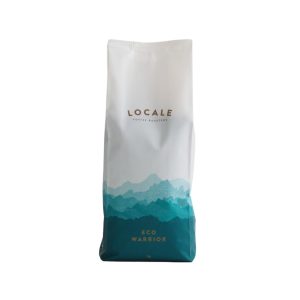
1KG Coffee Locale Eco Warrior
$45.00 -
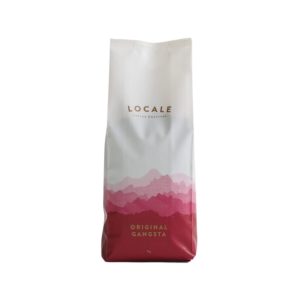
1KG Coffee Locale Original Gangsta
$45.00 -
SOLD OUT
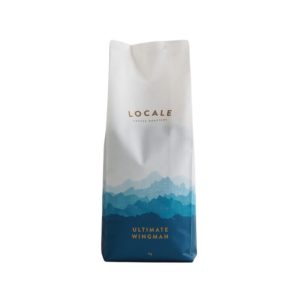
1KG Coffee Locale Ultimate Wingman
$45.00 -
SOLD OUT
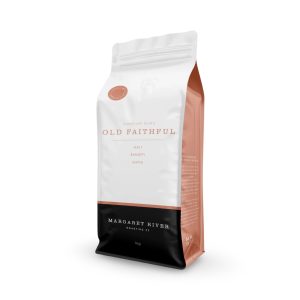
1KG Coffee Margaret River Roasting Old Faithful
$45.00 -
SOLD OUT
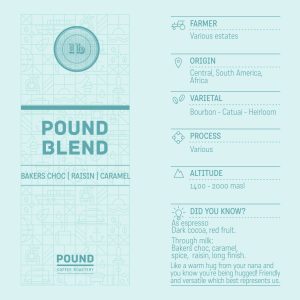
1KG Coffee Pound Blend
$45.00 -
SOLD OUT
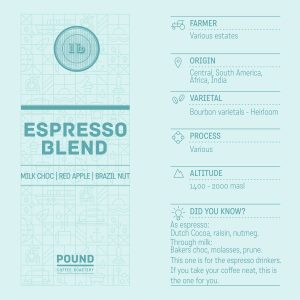
1KG Coffee Pound Espresso Blend
$45.00 -
SOLD OUT
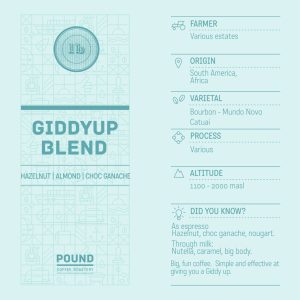
1KG Coffee Pound Giddyup
$45.00 -
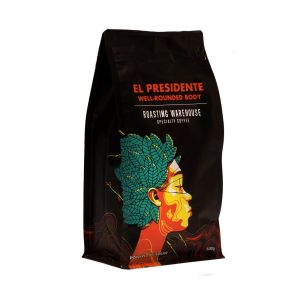
1KG Coffee Roasting Warehouse El Presidente
$45.00 -
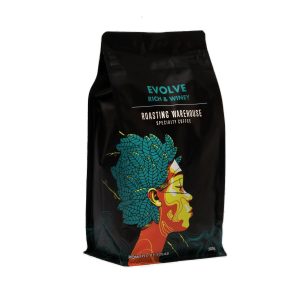
1KG Coffee Roasting Warehouse Evolve
$45.00 -
SOLD OUT
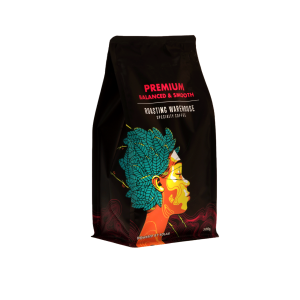
1KG Coffee Roasting Warehouse Premium
$45.00 -
SOLD OUT
1KG Coffee Yahava Espresso
$64.00 -
SOLD OUT
1KG Coffee Yahava Quattro
$64.00 -
SOLD OUT
1KG Coffee Yellowline Signature
$45.00 -
SOLD OUT
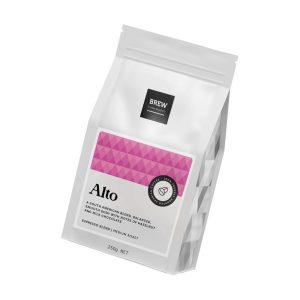
250g Coffee Brew Roasters Alto
$17.00 -
SOLD OUT
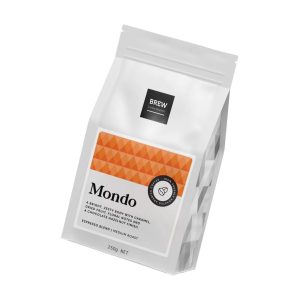
250g Coffee Brew Roasters Mondo
$17.00 -
SOLD OUT
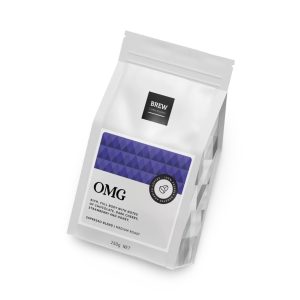
250g Coffee Brew Roasters OMG
$17.00
FAQs
What coffee beans are best for espresso?
For espresso, medium to dark roasted coffee beans are generally preferred as they provide a richer body and pair well with milk. Espresso blends are formulated to produce consistent results with espresso machines, balancing sweetness, acidity, and bitterness. Look for beans labelled as suitable for espresso or medium-dark roast profiles.
What is the difference between espresso beans and filter beans?
Espresso beans are typically roasted darker to bring out chocolatey and caramelised flavours that suit the concentrated brewing method of espresso. Filter beans are often lighter roasted to highlight more delicate, fruity, or floral notes, as filter brewing methods extract flavours differently. Both can be used interchangeably, but results may vary.
How should coffee beans be stored after opening?
After opening, store coffee beans in an airtight container away from light, heat, moisture, and air. A vacuum-sealed container or one with a one-way valve, like those from brands such as Rhino, is ideal. Avoid storing beans in the fridge or freezer as condensation can affect their quality.
Are blends or single origin beans better for milk coffee?
Blends are often better for milk coffee as they are designed to provide a balanced and consistent flavour profile that complements milk. Single origin beans can also work well, but their distinct flavour characteristics might be overshadowed by the milk. It depends on your preference.
How fresh should coffee beans be for home brewing?
Coffee beans are best used within 2-4 weeks of roasting for optimal flavour. Check the roast date on the bag and aim to use beans within this timeframe. Fresher beans retain more of their aromatic oils and flavours, which are crucial for a good cup of coffee.
Should I grind coffee beans just before brewing?
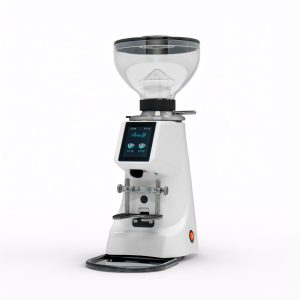
Yes, grinding beans just before brewing is recommended to preserve their freshness and flavour. Once ground, coffee begins to oxidise and lose its aromatic compounds. A quality burr grinder, such as those from Baratza or Eureka, will provide consistent grind sizes suitable for your brewing method.